


Learn Python-Code Lab by Ocean
3.9836.00 Reviews
App Specs
- Version
- 7.1
- Updated On
- License
- Free
- Downloads
- 5,000,000+
- Developer
- Ocean Float Mobile
- Categories
- Education
- Platform
- Android
Screenshots
 Analysis by AppCompare
What I like most about a phone-based Python course is that it can turn a spare stretch of time into a small, useful practice session. Learn Python-Code Lab by Ocean is built around that idea: short lessons, quizzes, and a place to work with code, rather than a long lecture you need to schedule your day around. My overall view is that it makes a welcoming first step for curious beginners, though it should be treated as a learning companion, not a substitute for building and debugging larger programs on a computer.
A low-pressure way to begin
As an education app, it is aimed at people who want to learn Python without first setting up a development environment or choosing a textbook. Ocean Float Mobile is the developer, and the app is free to install. Its Everyone age rating makes it broadly accessible, while optional in-app purchases range from $4.99 to $249.99 per item, so I would check the purchase details before committing to anything beyond the free experience.
The app has a 4.2 average from around 49,000 ratings, with more than a million installs. Those figures suggest it has reached a sizable audience, but they don’t tell me whether a particular course suits my learning style. The more useful question is whether its lesson-and-practice format helps you make progress. For a first encounter with Python, that structure is a sensible place to start; for someone who learns best by building a complete project from the first day, it may feel too guided.
It is available for Android devices running version 6.0 or later, and the current version is 6.9. I’d think of it as something to keep handy for regular practice: open a lesson, focus on one concept, and stop when you can explain the idea in your own words. That approach is more valuable than racing through screens just to collect progress markers.
Learning through short lessons and practice
If you've ever thought about diving into the world of coding, Learn Python-Code Lab by Ocean is a pretty cool place to start. I recently downloaded the app on my Android, curious to see how it stacks up against other coding apps out there. Let me walk you through my experience, so you can decide if it’s the right fit for you.
Getting Started with Python
First things first, downloading the app was a breeze. Once installed, the app greeted me with a clean and intuitive interface. It’s perfect for beginners, which is what I loved about it. The design is minimalistic, avoiding any overwhelming clutter that could distract you from learning. The layout makes it super easy to navigate through different sections and lessons.
A practical way to use that uncluttered layout is to decide what you want from each visit before opening a lesson. If you have only a few minutes, use the time to revisit one term in the glossary or redo a short exercise instead of starting several topics and abandoning them midway. For a longer session, read a lesson, attempt its exercise without looking back immediately, then use the quiz to see which part still needs attention. This simple routine makes the app’s small learning units feel connected rather than like isolated taps.
Worth Reading Before You Choose

EA SPORTS FC Mobile 26 Is a Bigger Football Game, but It Takes Time

Flipboard Shows What News Apps Must Do Beyond the Feed

Switching to Android Auto Means Rethinking Your Driving Routine

Google Calendar Makes a Crowded Week Easier to Manage

Ludo King Makes the Most of the Minutes Between Plans

Baby Panda World Brings Quick Play to Modern Phones, but Its Game Library Feels Busy
Interactive Lessons
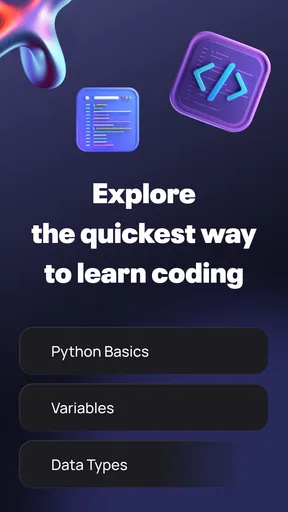
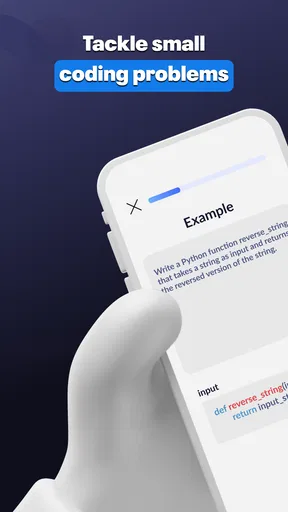
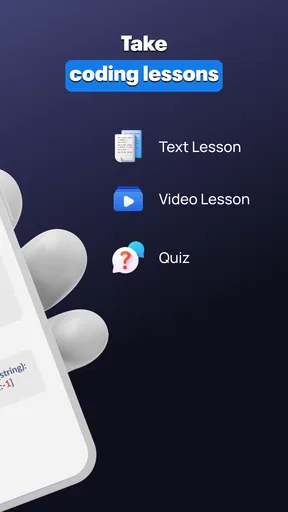
One of the standout features of Learn Python-Code Lab is its interactive lessons. Right from the get-go, the app dives into Python basics, and it does so in a way that’s engaging and fun. Each lesson is broken down into bite-sized chunks, making it easy to digest. Plus, it has these nifty interactive exercises that let you apply what you’ve just learned. Trust me, nothing beats learning by doing.
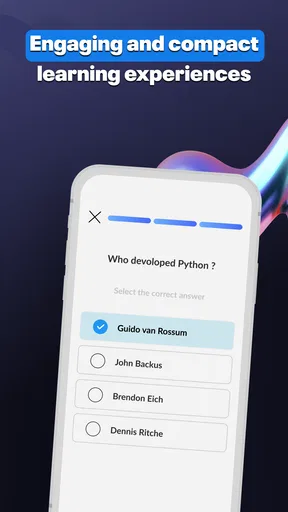
The app also features quizzes at the end of each lesson. These quizzes aren’t just your typical multiple-choice questions; they challenge you to think critically and apply your newfound knowledge. It’s a great way to reinforce what you’ve learned and ensure you’re not just breezing through without absorbing the material.
For a realistic everyday example, imagine you are waiting for a bus and have a short gap before it arrives. You can use that time to review a lesson on a single Python idea, then try its exercise while the example is still fresh. Later, at home, return to the quiz and explain to yourself why an answer works. That second pass matters: recognizing an answer in a quiz is easier than producing the logic yourself, so I’d use the exercise as the main test and the quiz as a check, not as proof that the concept is mastered.
The included editor is potentially useful for this kind of active practice because it gives you a place to try code rather than only read about it. I would still keep expectations realistic on a phone: a compact screen and touchscreen keyboard are fine for short snippets, but they are awkward for lengthy code, careful formatting, or tracking down errors across many lines. When you get stuck, change one thing at a time and rerun the example. That makes a small editor session more instructive than repeatedly replacing the whole answer until something works.
Gamified Learning Experience
Now, I’m a sucker for gamification, and this app does it well. It has a points and rewards system that keeps you motivated. Every time you complete a lesson or quiz, you earn points and badges. It’s a small touch, but it makes the learning process that much more enjoyable. I found myself wanting to learn more just to see what badge I’d earn next!
The app also includes a leaderboard, which is a neat way to add a bit of friendly competition. It’s not just about competing with others, though; it’s about pushing yourself to climb higher and improve your coding skills.
Those rewards work best as a nudge to return, not as a measure of programming ability. I’d use the points to build a steady habit, but I wouldn’t equate a badge with being ready to write a useful program independently. A better personal checkpoint is whether you can recreate a small example from memory, explain the parts you typed, and make one deliberate alteration. If a leaderboard encourages regular practice, great; if it makes you rush, ignore it and keep your own pace.
Useful references, with a limit
What really impressed me about Learn Python-Code Lab is the wealth of resources it offers. Besides the interactive lessons, the app includes a comprehensive glossary of Python terms. It’s like having a mini Python dictionary at your fingertips, which is super handy when you come across something unfamiliar.
Additionally, the app features a community forum. This is a great place to ask questions, share knowledge, and connect with fellow learners. It’s comforting to know you’re not alone in your coding journey and that there’s a supportive community ready to help out.
I’d treat the glossary as a quick reference, then return to the lesson or editor and use the term in context. Looking up a definition alone can give a false sense of understanding; trying to apply it is what shows whether it has clicked. The forum can also be useful when you can describe exactly what you tried and where your reasoning stopped. For a productive question, include the goal and the part that confused you rather than posting only that the code does not work. That habit improves the help you get and strengthens your own debugging skills.
There is a trade-off here compared with the usual alternatives. A book or a long-form course can give a more continuous explanation and a clearer path through a topic, while a desktop coding setup is better once you need to manage a larger project and inspect errors comfortably. This app’s advantage is convenience: lessons, checks, a glossary, and an editor are gathered in a format suited to brief practice. I’d choose it for getting started and maintaining momentum, then add a computer-based environment when my goal shifts from learning concepts to making something substantial.
Where it can feel limiting
While I thoroughly enjoyed using Learn Python-Code Lab, no app is without its flaws. Occasionally, I found the app could be a bit laggy, especially when loading new lessons. It wasn’t a dealbreaker, but it’s something I hope they address in future updates.
Another thing I noticed is that while the app is fantastic for beginners, those who already have a solid grasp of Python might find it a bit too basic. It’s geared more towards beginners and intermediates, so advanced users might want to look elsewhere.
The guided format is also not ideal for every beginner. If you want to understand how a complete application is planned, organized, tested, and revised, short lessons may not provide enough of that experience on their own. I would pair the app with a small personal goal once the basics feel familiar—for example, write down a simple problem you want to solve, sketch the steps in plain language, and then attempt them in code. If that project becomes uncomfortable to manage on a phone, move to a computer rather than blaming yourself or assuming you have failed to learn.
It is also worth being clear about the cost boundary. The app is free to install, but optional purchases can be substantial at the upper end of the listed range. I would start by exploring what is available without paying and only consider a purchase if you understand what it unlocks and expect to use it. That is a practical safeguard for any learning app: don’t pay simply because you feel behind or assume a purchase is required to become a capable programmer.
For a complete beginner wondering whether this is enough to learn Python, my answer is: enough to begin, not enough to stop there. Use it to become comfortable with basic ideas and practice, then test that understanding by writing your own small pieces of code. If you already know the fundamentals and need advanced material, a project-focused course or a proper desktop setup is likely a better use of your time. If you need a structured, low-pressure introduction you can fit into spare moments, its format makes more sense.
A good first step, not the whole journey
All in all, Learn Python-Code Lab by Ocean is a fantastic tool for anyone looking to get their feet wet in coding. Its interactive lessons, gamified experience, and supportive community make learning Python not just accessible, but fun as well. If you’re a beginner or even someone with a bit of coding knowledge looking to brush up on your skills, I’d highly recommend giving this app a try. Who knows, it might just be the start of your coding adventure!
My recommendation is strongest for a new learner who wants a guided starting point, benefits from quick feedback, and is willing to practice consistently rather than binge through lessons. It can also suit someone returning to Python who wants a light refresher. I’d steer advanced learners, people seeking a deep reference, and anyone whose immediate goal is to build a large program toward more comprehensive resources instead. Used for what it does best—making the first steps approachable—this is a useful companion, with the important caveat that real confidence comes from taking the concepts beyond the app and applying them independently.
Pros
- Intuitive interface for easy learning.
- Rich library of coding exercises.
- Progress tracking with detailed stats.
- Offline access for coding on the go.
- Community support for quick answers.
Cons
- Limited advanced topics coverage.
- In-app ads can be intrusive.
- Requires internet for full features.
- No direct tutor support available.
- Some exercises lack detailed explanations.
FAQs for Learn Python-Code Lab by Ocean
What features does Learn Python-Code Lab offer to beginners?
Learn Python-Code Lab provides a comprehensive learning experience for beginners, featuring interactive coding lessons, real-time feedback, and practical exercises. The app includes a step-by-step guide to Python basics, quizzes to test your understanding, and projects to apply what you've learned. It's designed to make learning Python engaging and accessible, even for those with no prior coding experience.
Is Learn Python-Code Lab suitable for advanced programmers?
Yes, Learn Python-Code Lab caters to a wide range of skill levels. While it offers foundational lessons for beginners, it also includes advanced topics and challenges for more experienced users. Advanced programmers can explore modules on data structures, algorithms, and Python libraries, ensuring there's always something new to learn and practice.
Does the app require an internet connection to function?
Learn Python-Code Lab primarily requires an internet connection for initial downloads and updates. However, many of its lessons and exercises are available offline, allowing users to continue learning without internet access. This feature is particularly useful for those who want to practice coding on the go or in areas with limited connectivity.
Are there any in-app purchases or subscriptions required?
While Learn Python-Code Lab offers a free version with basic content, there are optional in-app purchases and subscription plans available. These provide access to premium features such as advanced lessons, personalized coaching, and additional coding challenges. Users can choose to enhance their learning experience with these paid options, but they are not mandatory to enjoy the core content.
How does Learn Python-Code Lab support user progress and motivation?
The app incorporates a variety of features to keep users motivated and track their progress. It includes a progress tracker, daily goals, and achievement badges to celebrate milestones. Additionally, users can join a community of learners to share achievements and gain support, fostering a collaborative learning environment that encourages continuous improvement.


